


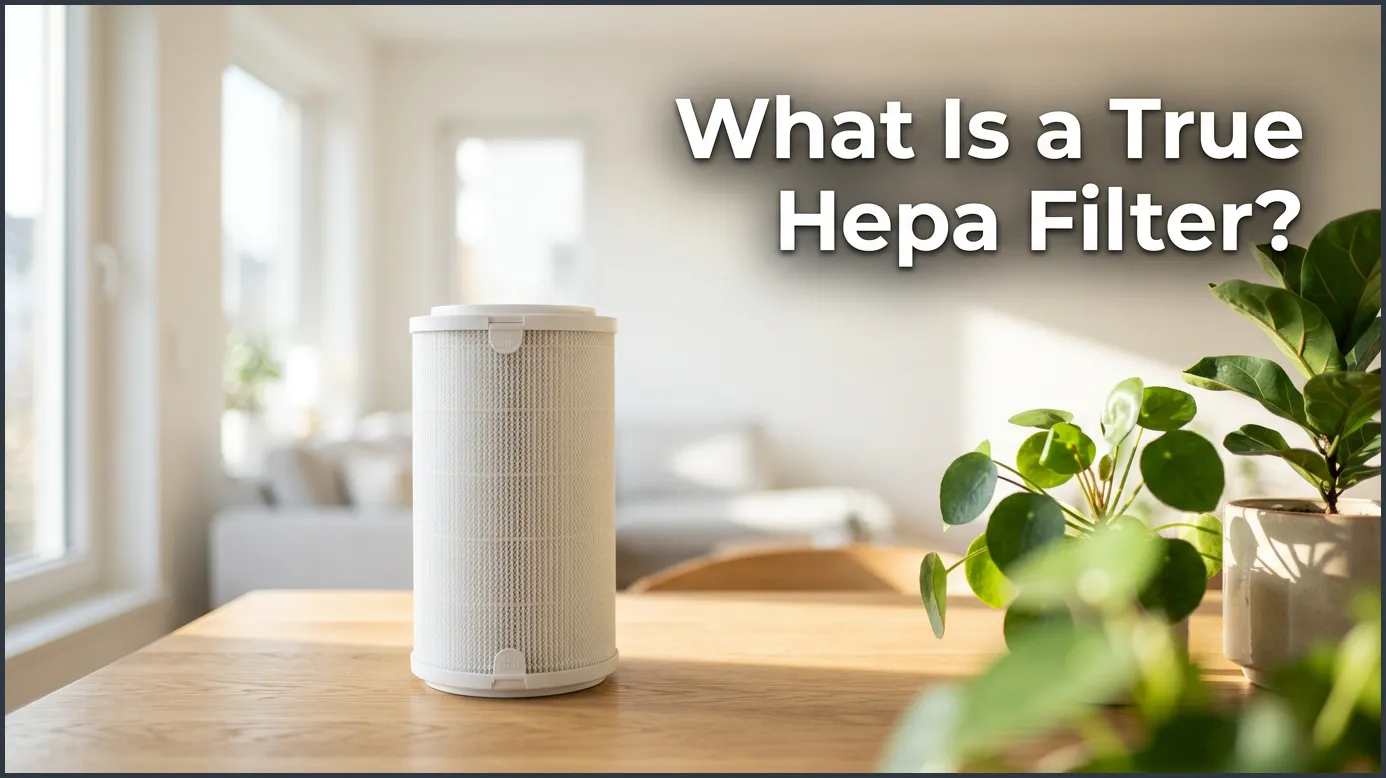
A True HEPA filter is a high-grade air filter that traps 99.97% of airborne particles down to 0.3 microns in size. This includes dust, pollen, mold, and bacteria. It represents the highest standard for home air purification and is highly recommended for allergy sufferers.
Key Takeaways
- High Efficiency: A True HEPA filter captures 99.97% of tiny particles.
- The 0.3 Micron Standard: It targets the most difficult particle size to trap.
- Authentic Certification: “HEPA-type” filters do not meet the same strict standards.
- Allergy Relief: It removes common triggers like pollen, dust mites, and pet dander.
- Regular Maintenance: Filters need replacement every 6 to 12 months for best results.
📑 Table of Contents
Introduction
Imagine walking into your home after a long day. You take a deep, long breath. You want to feel fresh and safe. But did you know that the air inside your home can be dirty? It is true. Tiny bits of dust, pet hair, and pollen float all around us. We cannot see them, but our bodies can feel them. They make us sneeze and cough. They can make our eyes itchy and red.
To fix this, many people buy air purifiers. When you shop for one, you will see a lot of labels. One label stands out more than the rest. You will see the words “True HEPA” on many boxes. But what does this really mean? Why should you care about it? Is it just a fancy name, or does it really work?
In this guide, we will answer a very simple question: What Is a True HEPA Filter? We will look at how these filters work. We will learn what they can trap. We will also help you tell the difference between a real one and a fake one. By the end, you will know exactly how to keep your home’s air clean and safe.
The Basics of Air Filtration
Before we talk about special filters, let us look at how air gets dirty. Every time we open a window, outdoor air rushes in. This air brings in pollen from trees and flowers. When our pets walk by, they drop tiny flakes of skin. This skin is called pet dander. Even when we cook or sweep, we stir up dust. All of these tiny things float in the air we breathe.
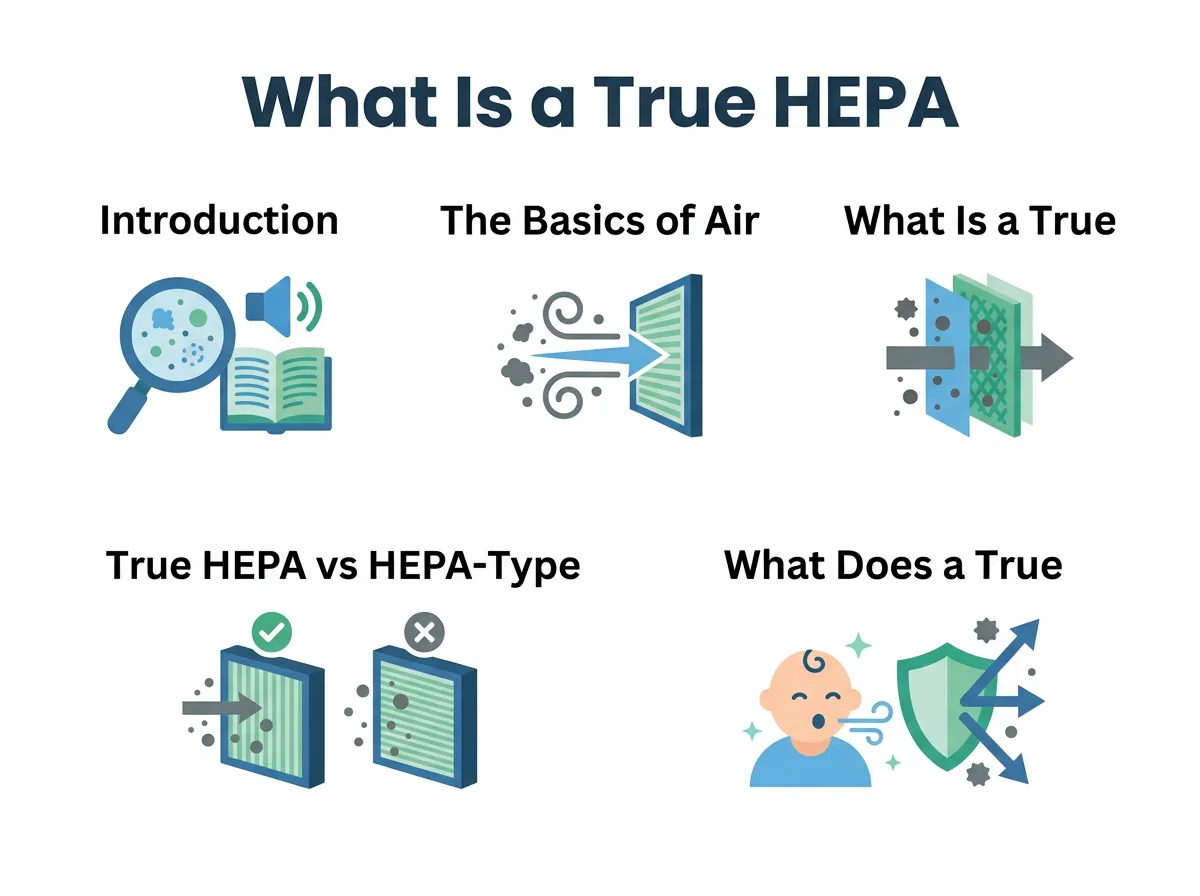
What Is a True HEPA Filter? — key points at a glance
How Air Gets Dirty
Most of the dirty things in the air are very small. They are so small that we cannot see them. Scientists measure these tiny things in microns. A micron is super small. A single strand of human hair is about 70 microns wide. The dust and pollen in your air are often much smaller than that. Because they are so light, they can float in the air for hours. We breathe them in without even knowing it.
The Role of a Filter
An air filter acts like a net. It sits inside an air purifier or your home heating system. A fan pulls dirty air through the filter. The filter traps the dirt and lets clean air pass through. Simple filters can only trap big things like dust bunnies or large pet hair. But they let tiny things like pollen and mold pass right through. That is why we need a better kind of filter. The US Environmental Protection Agency notes that clean air is key to a healthy home. Learn more about the EPA standards on what a HEPA filter is and how it cleans your indoor space.
What Is a True HEPA Filter?
Now, let us get to the main point. What Is a True HEPA Filter? HEPA stands for High-Efficiency Particulate Air. It is not just a brand name. It is a strict standard of quality. To get this name, a filter must pass a hard test. It must meet rules set by the government. This means it has to be very good at trapping tiny things.
The 99.97% Rule
A True HEPA filter must trap at least 99.97% of all tiny particles. These are particles that are 0.3 microns in size. This means if there are 10,000 tiny dust specks in the air, a True HEPA filter will trap 9,997 of them. Only three very tiny specks will get through. This high level of cleaning is what makes a True HEPA filter so special.
Why 0.3 Microns Matter
Why do scientists care so much about the 0.3-micron size? It turns out that this size is the hardest to trap. Very big particles are easy to catch because they get stuck in the filter fibers. Very small particles move around in a zig-zag way and bump into the fibers, which traps them too. But particles that are 0.3 microns are just the right size to slip through regular filters. By testing filters at this exact size, we can be sure they are the best of the best.
True HEPA vs. HEPA-Type: What is the Difference?
When you shop for an air purifier, you must be careful. Many brands use confusing words. You might see filters labeled as “HEPA-type” or “HEPA-like.” You might also see “99% HEPA.” These are not the same as a True HEPA filter. When asking yourself, What Is a True HEPA Filter?, you must learn to spot these marketing tricks.
The Marketing Trap
A HEPA-type filter is made of similar material, but it is not tested to the same high standard. It might only trap 85% or 90% of small particles. While this is better than nothing, it still lets a lot of dust and pollen back into your room. These filters are often cheaper, but they do not clean the air as well. To make the right choice, it helps to understand the physical and tested differences between these grades. You can read a deep dive about the HEPA vs True HEPA filter debate to see how they perform in real-world tests.
How to Spot a Real Filter
To make sure you get the real deal, look for the word “True” on the box. A True HEPA filter will also list the 99.97% test score. It will state that it traps particles down to 0.3 microns. If the box only says “HEPA-type,” it is not a True HEPA filter. Always read the fine print on the package to be sure of what you are buying.
What Does a True HEPA Filter Trap?
A True HEPA filter is like a super shield for your lungs. It can trap a wide range of tiny things that make us sick. Let us look at what this amazing filter can clean from your air.
Dust and Pollen
Dust is made of many things. It has dirt, dead skin, and even tiny bugs. Pollen comes from plants outside. Both dust and pollen are very easy for a True HEPA filter to catch. Once they are trapped in the filter, they cannot float back into your room. This keeps your flat surfaces clean and helps your lungs feel good.
Pet Dander and Mold
If you have cats or dogs, you have pet dander. Dander is tiny flakes of dead skin. It floats in the air and sticks to carpets and couches. Mold spores are also tiny and can grow in damp areas. Both of these can cause allergies. A True HEPA filter traps these easily. This is great news for pet owners who want to keep their homes smelling fresh and clean.
Dust Mites
Dust mites are tiny bugs that live in our beds and carpets. They eat dead skin cells. Their waste can float into the air and cause asthma attacks. Dust mites are one of the most common allergens found in carpets and bedding. For some helpful tips on this, read about how to reduce dust mites in your bedroom. A True HEPA filter will catch these pests and their waste, keeping your bedroom air much cleaner.
Benefits of Using a True HEPA Filter
Now that you know how they work, let us talk about the benefits. Why should you invest in one? There are many reasons why this is a smart choice for your home.
Better Health and Fewer Allergies
If you sneeze a lot in the spring, you likely have allergies. A True HEPA filter can help. By removing pollen, dust, and pet dander, it keeps your eyes from itching. It also helps you sleep better. When the air is clean, your body does not have to fight off these tiny invaders while you rest.
Odor and Smoke Control
Do you cook a lot? Or do you live near a busy road? Smoke and strong cooking smells can linger in your home. While a HEPA filter traps the physical smoke particles, it works best when paired with an active carbon filter. Together, they can make your kitchen or living room smell as fresh as a spring morning.
How to Choose and Maintain Your Filter
Buying a True HEPA filter is the first step. But you also need to take care of it. Here are some simple tips to make sure your filter lasts a long time and works well.
Check the Label
When you buy a replacement filter, always check the model number. Make sure it is a True HEPA filter. Do not buy cheap off-brand filters that do not have the True HEPA seal. It is worth spending a little more to get the clean air you deserve.
When to Replace It
Most True HEPA filters need to be changed every six to twelve months. If you have pets or smoke in your home, you may need to change it sooner. If the filter looks grey and dusty, it is time for a new one. Running a dirty filter will not clean your air and can hurt your air purifier’s motor.
Conclusion
We hope this guide has answered your question: What Is a True HEPA Filter? Clean air is not a luxury. It is a key part of staying healthy and happy. By choosing a True HEPA filter, you are choosing to protect your lungs and your home. You will breathe easier, sleep better, and enjoy a fresher space every single day. So, check your filters today and make the switch to True HEPA!
Frequently Asked Questions
How often should I change my True HEPA filter?
You should change your True HEPA filter every six to twelve months. If you have pets or smokers in your home, you may need to replace it more often. Always check the filter visually to see if it looks grey and dusty.
Can a True HEPA filter kill viruses?
A True HEPA filter does not kill viruses, but it can trap them. Because viruses often travel on larger droplets in the air, the filter can catch these droplets. This helps reduce the number of germs floating in your room.
Is a True HEPA filter washable?
Most True HEPA filters are not washable and will be ruined if they get wet. Water can destroy the delicate fibers that trap tiny particles. Always check the manufacturer’s guide before trying to clean your filter.
What does HEPA stand for?
HEPA stands for High-Efficiency Particulate Air. It is a strict standard that describes how well a filter can clean the air. It ensures that the filter can trap very small particles with high efficiency.
Does a HEPA filter help with asthma?
Yes, a True HEPA filter is very helpful for people with asthma. It removes triggers like dust, pet dander, and mold spores from the air. This makes the air much gentler on sensitive lungs.
How do I know if my filter is a True HEPA?
You can identify a True HEPA filter by checking the packaging label carefully. It must state that it traps 99.97% of particles down to 0.3 microns. If it only says HEPA-type or HEPA-like, it is not a True HEPA filter.
